
A backyard pool can add real value to a North Texas home, or it can be the most expensive surprise of the first year of ownership. Pools are mechanical systems with pumps, filters, heaters, plumbing, and electrical components that wear, leak, and fail. Unlike most systems in a house, pool equipment lives outdoors and runs constantly, which means it ages fast. A pool that looks great with the cover off and the water clear can have a failing heater, a cracked filter housing, or bonding and grounding issues that will cost thousands to address. None of that is visible to the untrained eye, and a standard home inspection does not cover it in the depth a pool requires.
Robert evaluates the equipment, the safety features, and the visible condition of the pool and spa as part of a dedicated inspection. The goal is the same as the rest of an RTI inspection: tell you what is working, what is not, and what is going to need attention soon, so you can make a real decision before closing.
The inspection covers the equipment pad and the pool itself. On the equipment side, we evaluate the pump and motor for proper operation, leaks, and noise that suggests bearing wear. We check the filter (cartridge, sand, or DE) for housing condition, pressure readings, and whether it has been maintained. The heater gets inspected for proper venting, gas or electrical connections, and ignition or heating element condition. We check the plumbing for visible leaks at unions, valves, and fittings, and we evaluate the electrical bonding and grounding, which is a critical safety feature on any pool or spa.
On the pool itself, we look at the visible surface for cracking, staining, and signs of structural movement. Coping, tile, and decking get checked for separation, settling, or damage. Skimmers, returns, and main drains are evaluated where accessible. For spas, we check the jets, blower (if equipped), heater, and controls. Safety features like fencing, gate latches, and pool covers get noted as well. Cleaning equipment, automatic chlorinators, and salt systems are inspected if present.
It is worth being honest about scope. A pool inspection is a visual and operational evaluation of the equipment and structure as they exist at the time of inspection. It is not a leak detection test, a structural engineering evaluation, or a chemical water quality analysis. If the pool is closed, winterized, or empty, certain components cannot be evaluated and we will note that in the report. If a major concern is identified, we will recommend you bring in a pool contractor or a leak detection specialist for a deeper look before closing.
A pool and spa inspection is $75 when added to a home inspection or new construction inspection on the same property. The findings are included in your detailed Spectora report alongside the rest of the home inspection results, with photos and clear descriptions of every issue. Whether you are buying a home with a pool in Anna, Melissa, or anywhere in North Texas, adding the pool inspection is one of the lowest-cost ways to avoid a major surprise.
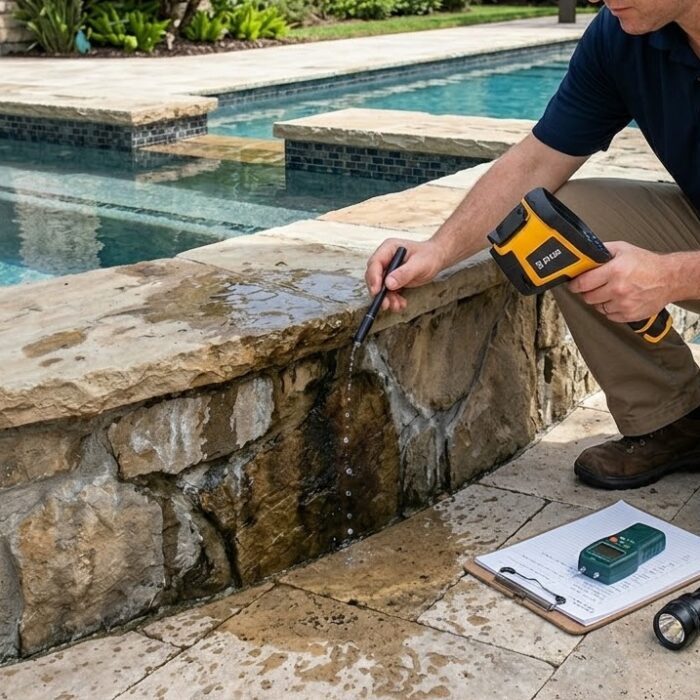
The pool and spa inspection is performed alongside a standard home inspection on the same visit. Robert evaluates the pump, filter, heater, plumbing, electrical bonding, and visible pool structure, plus any spa equipment if present. The findings are documented with photos and added to the same Spectora report as the rest of the home, so you have everything in one place when you talk to your agent.
The pool portion typically adds 30 to 45 minutes to the overall inspection time, depending on the complexity of the equipment. If something needs deeper evaluation, like a suspected underground leak or structural concern, we will flag it and recommend the right specialist.